Buyer's Guides
Verify Before You Buy
Practical guides for wholesale tasbih and misbaha buyers: authentication tests, sourcing checklists, material naming, amber certificates, Aqeeq agate, Kuka wood, and gift box positioning.
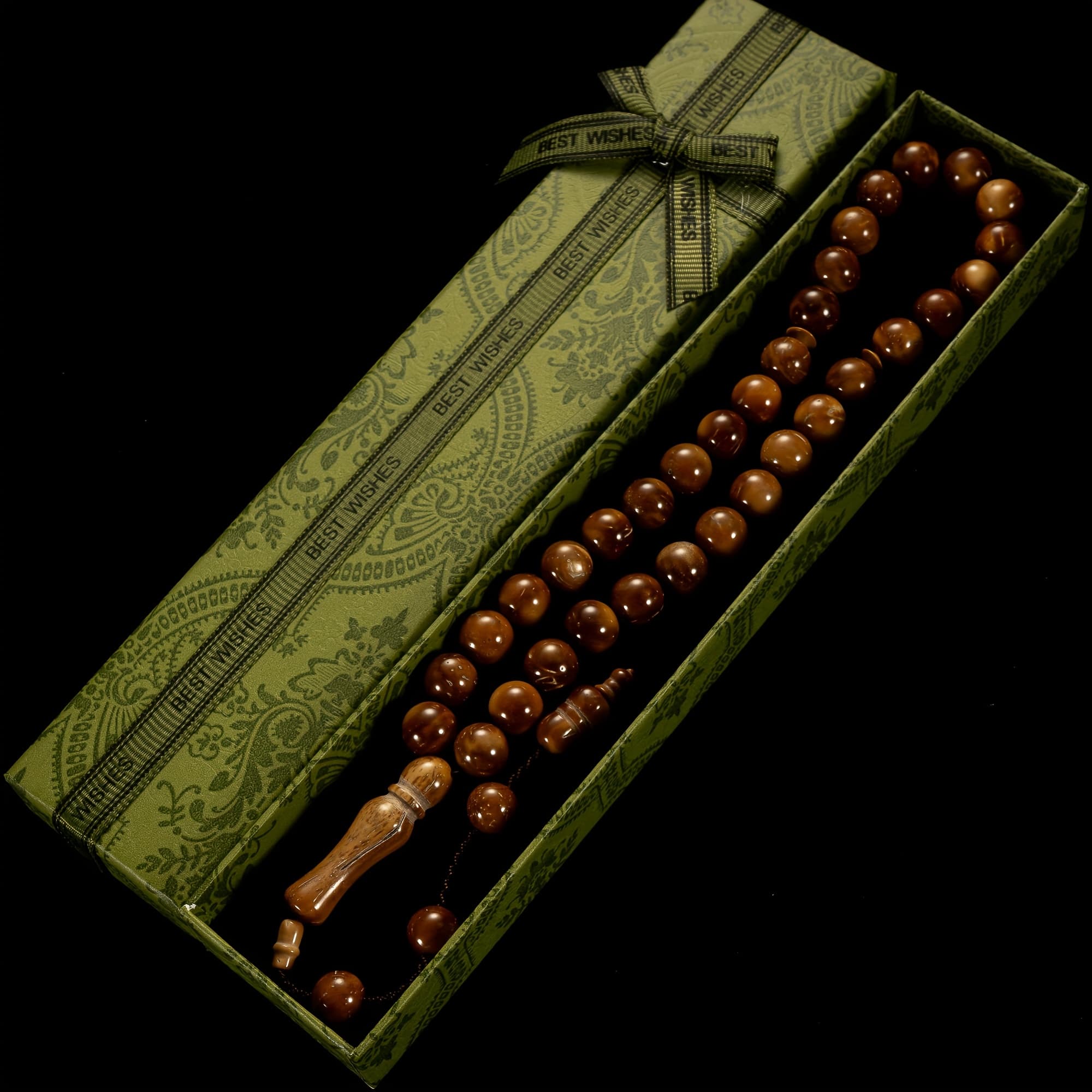
What Is Tasbih? A Beginner's Guide for Retailers
Tasbih — also called misbaha, subha, or prayer beads — are counting tools used across cultures for spiritual remembrance, meditation, and mindfulness practice. For retailers entering this market, understanding the basics: the 33-bead and 99-bead formats, common materials, and how to present tasbih as a meaningful cultural accessory, is the foundation for successful sales.
Read guide →
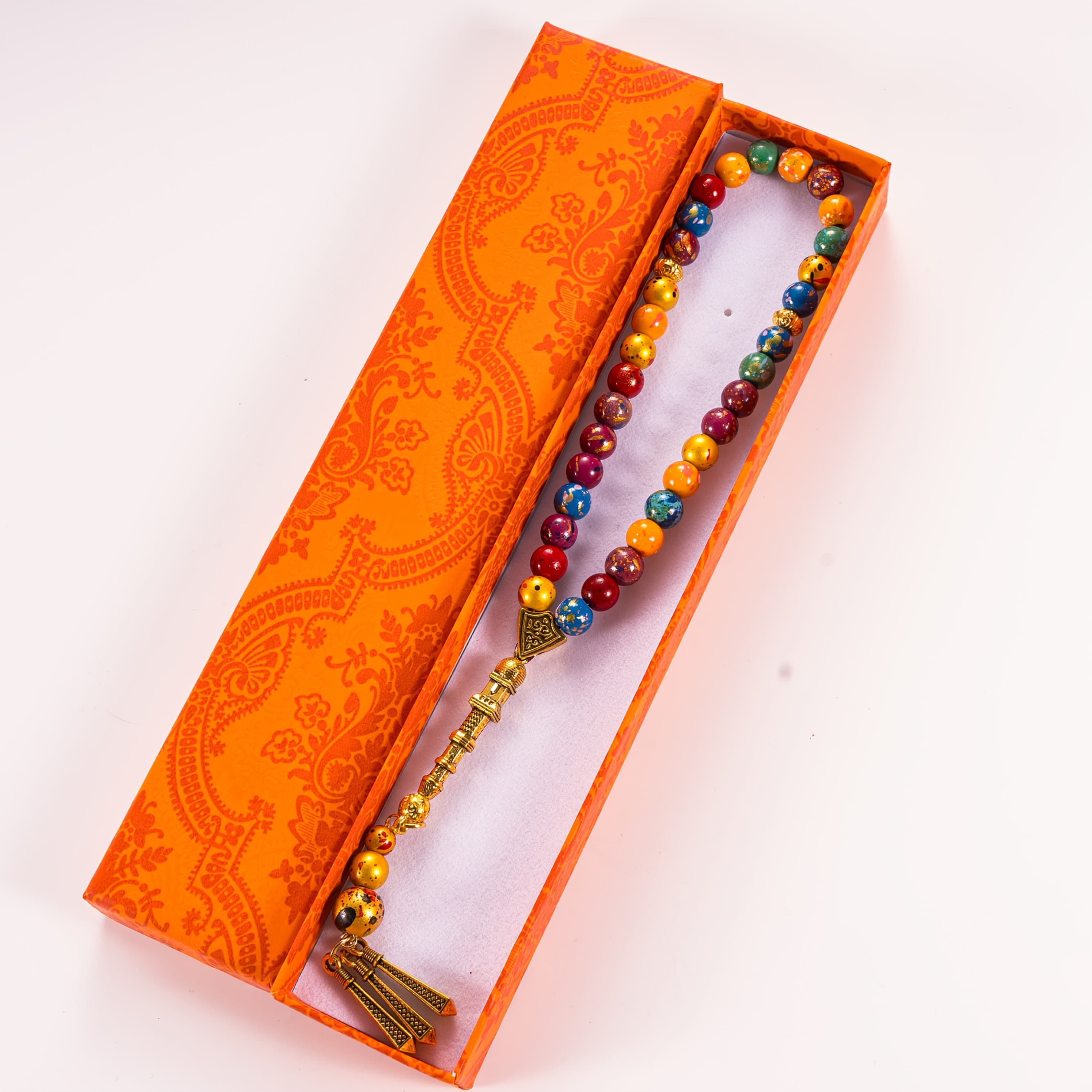
How to Choose the Right Tasbih for Daily Use
For daily tasbih use, the right choice depends on three factors: bead count, material weight, and durability. A tasbih meant for frequent handling needs to feel comfortable in the hand, withstand daily use, and be easy to carry. This guide helps retailers advise customers on choosing the best tasbih for their daily spiritual practice.
Read guide →
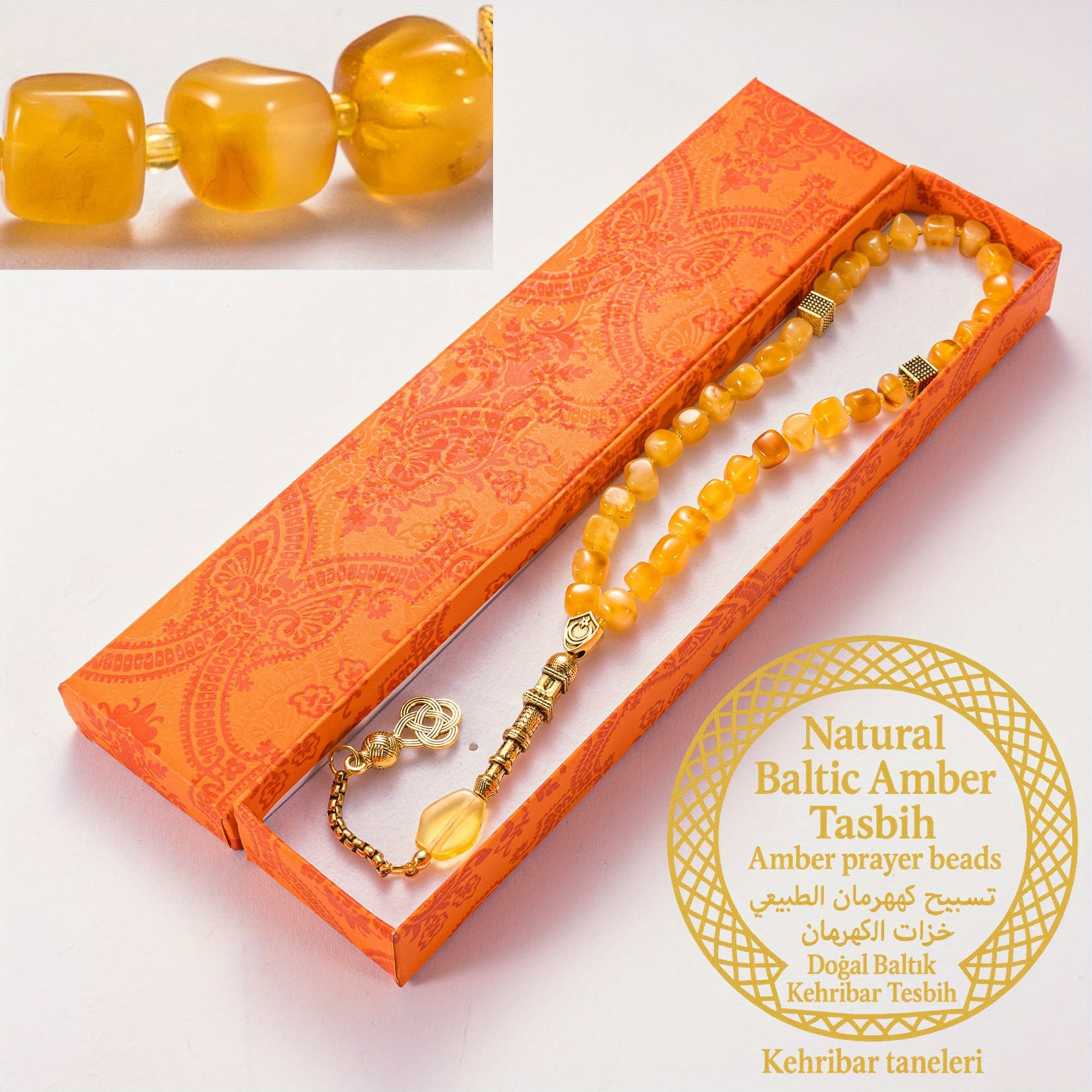
How to Identify Real Amber Tasbih (Certificate & Safe Tests)
Amber tasbih attracts premium buyers, but it is also easy to mislabel: plastic, pressed resin, glass, and young copal can all be sold as amber. For wholesale buyers, the goal is not to rely on one dramatic test. Use a practical sequence: inspect the beads, run safe field checks, request documentation, and keep one reference sample from every approved batch.
Read guide →
Kuka Tasbih Authenticity Guide: Quality Checks for Buyers
Kuka is a premium trade name in the tasbih market, but suppliers do not always use it consistently. Some products are natural kuka material, while others are dyed wood, compressed material, resin, or lookalike beads sold under the same label. For wholesale buyers, authenticity starts with a clear material declaration and a repeatable quality-control process, not a single quick test.
Read guide →
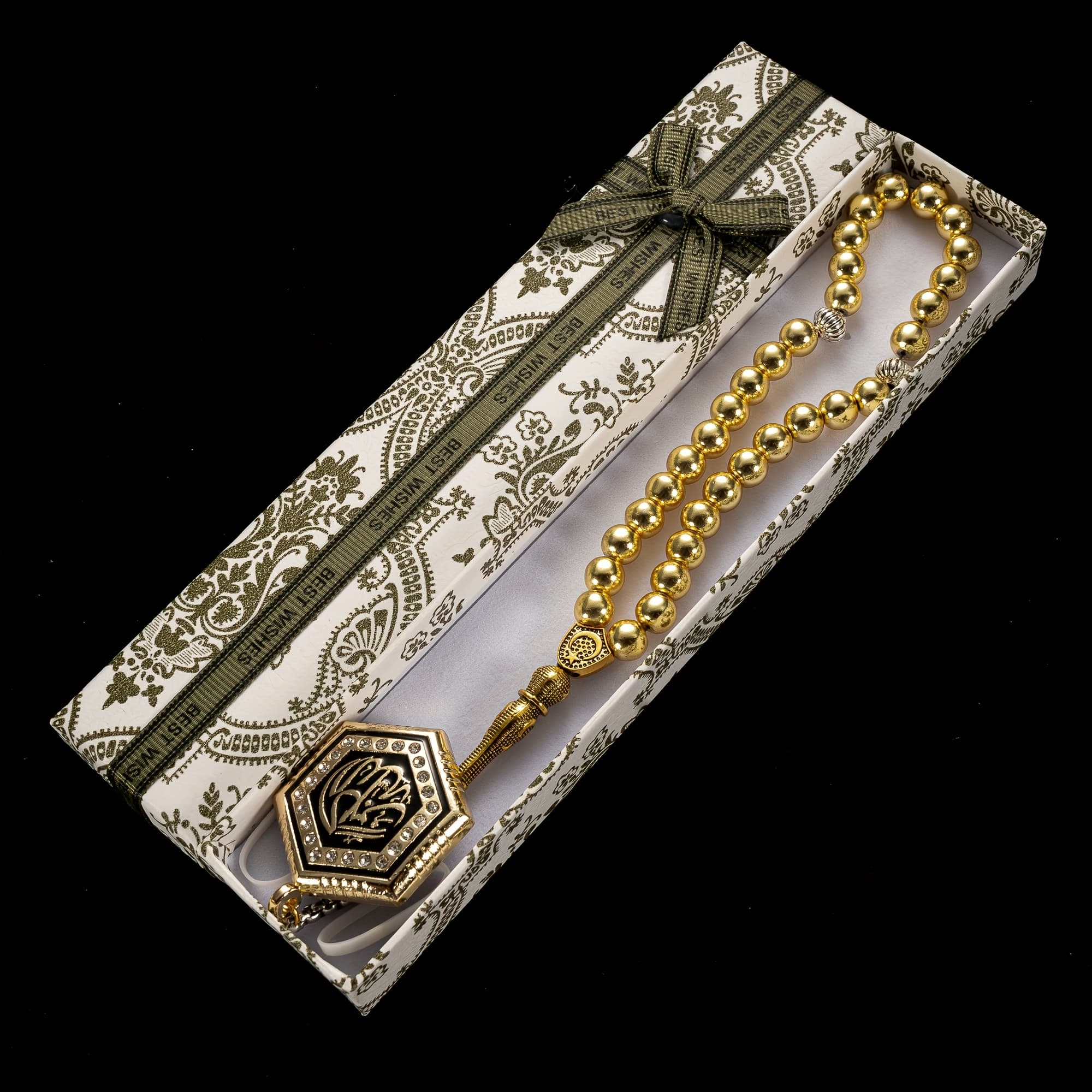
Best Tasbih Gift Ideas for Father, Husband and Special Occasions
A tasbih makes a deeply meaningful gift for birthdays, Eid, weddings, anniversaries, and graduations. Unlike disposable gifts, a quality tasbih is kept for years — becoming a daily companion and a lasting symbol of the occasion. For retailers, gift tasbih represents a high-margin opportunity with strong emotional appeal.
Read guide →
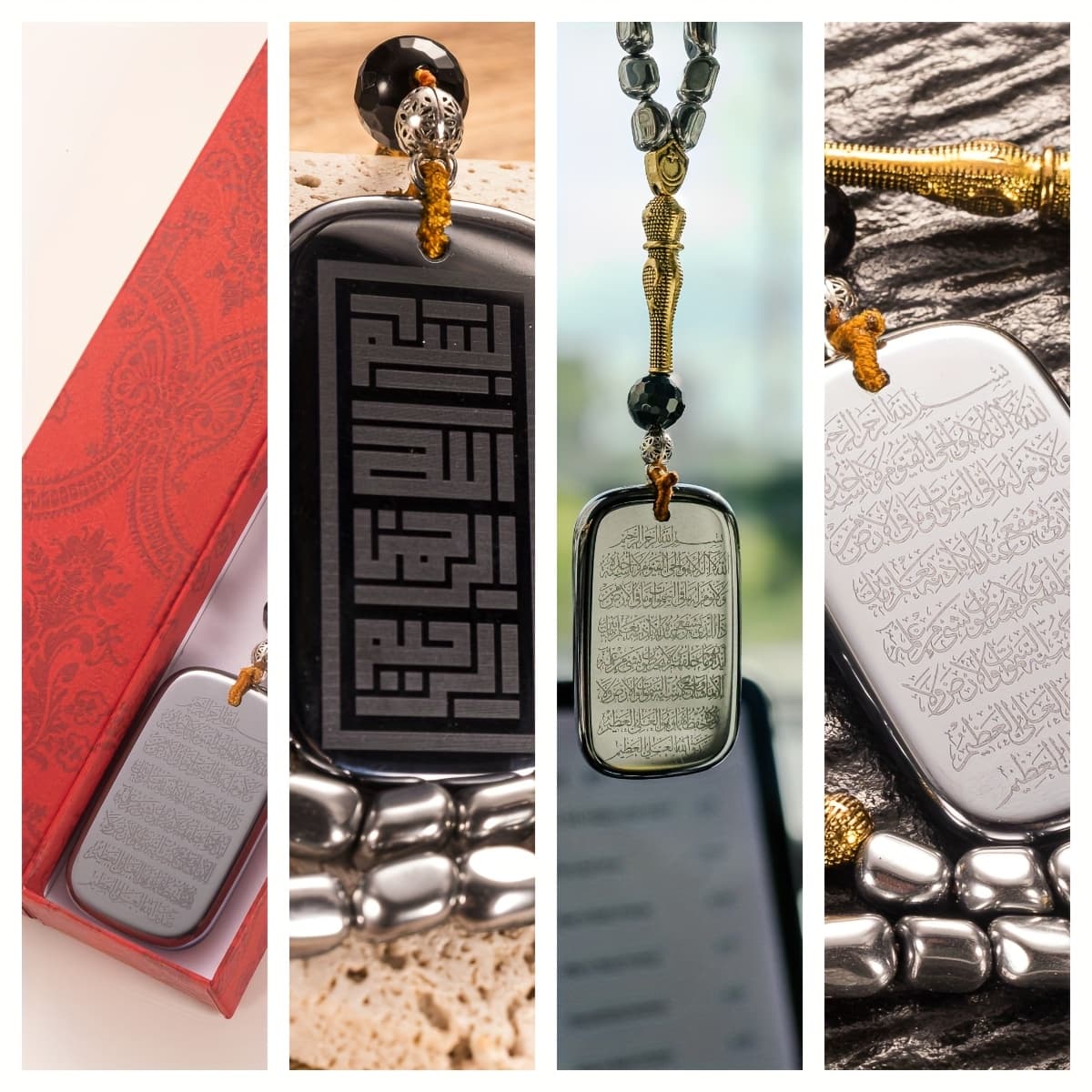
Car Hanging Tasbih: Why Drivers Keep Prayer Beads in the Car
The car hanging tasbih has become one of the most visible cultural accessories in modern driving life. Hanging from rearview mirrors or resting on dashboards, tasbih serves as a mindful companion during commutes, a symbol of identity, and a decorative element that personalizes the driving space. For wholesalers, this is a high-velocity, gift-friendly product category.
Read guide →
Natural Stone vs Synthetic Beads: Which Tasbih Should You Stock?
One of the most common sourcing decisions for tasbih wholesalers is choosing between natural stone beads and synthetic alternatives. Agate, hematite, jade, and amber offer premium appeal and higher margins. Resin, glass, and plastic provide accessible price points and faster turnover. Understanding the trade-offs is essential for building a balanced wholesale inventory.
Read guide →
Need help sourcing authentic tasbih? Request Catalog