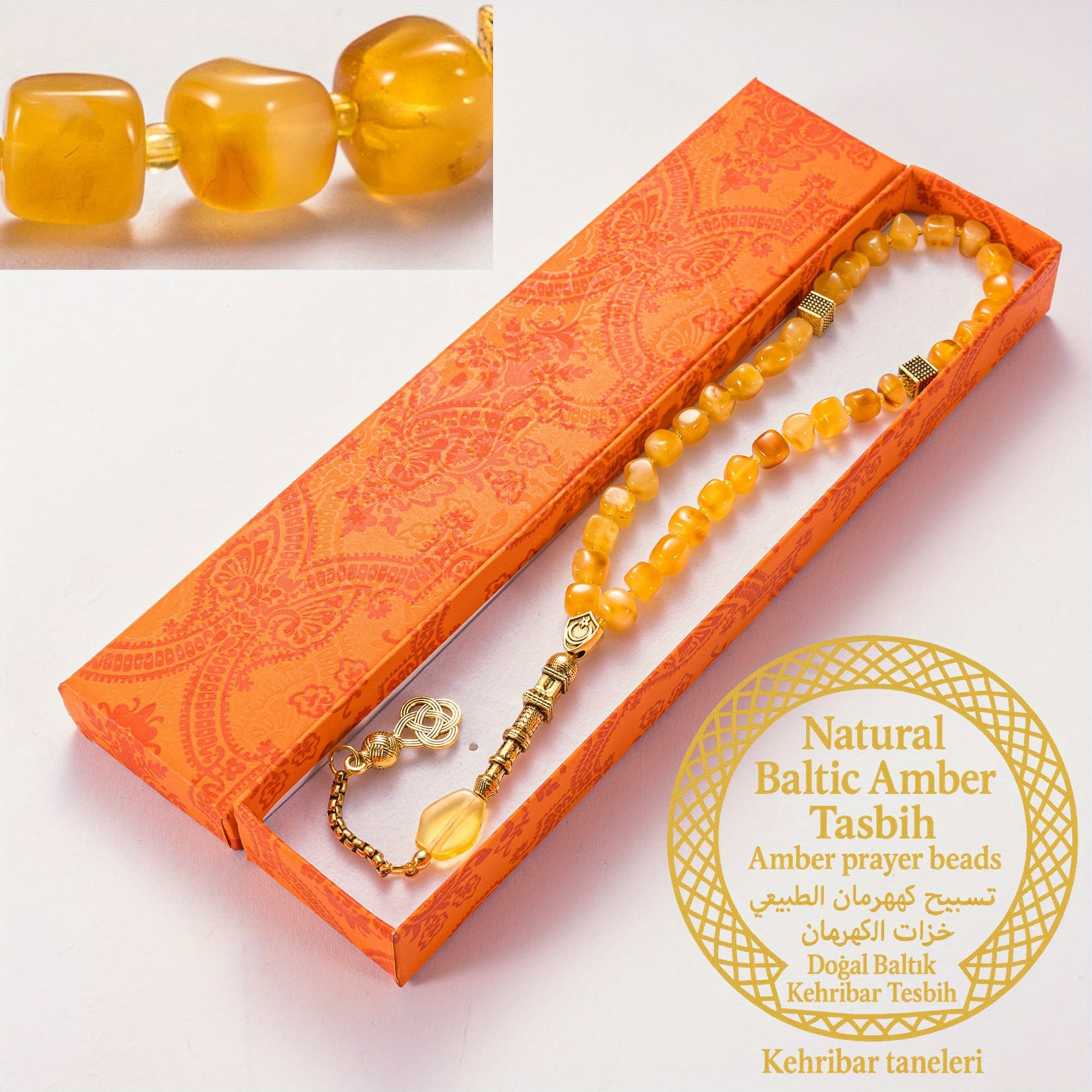
Baltic Amber Gift Set
A 33-bead amber-look tasbih presented as a premium gifting set for Ramadan and Eid campaigns.
MOQ 100 pcs
View detailsAmber tasbih attracts premium buyers, but it is also easy to mislabel: plastic, pressed resin, glass, and young copal can all be sold as amber. For wholesale buyers, the goal is not to rely on one dramatic test. Use a practical sequence: inspect the beads, run safe field checks, request documentation, and keep one reference sample from every approved batch.
Before testing, write down exactly what the supplier is claiming: Baltic amber, natural amber, pressed amber, copal, resin, or amber-look beads. These are not the same product. If a supplier cannot state the material clearly on the invoice, packaging, and sample label, treat the item as amber-look until proven otherwise.
Use a 10x loupe and inspect several beads, not just the hero bead. Natural amber usually has soft internal clouds, small bubbles, flow lines, or organic inclusions that look irregular and three-dimensional. Plastic beads often show repeated patterns, perfectly centered decorative inclusions, mold seams, or a glossy surface that looks too uniform around the drill hole.
A saltwater float test is a useful first screen because amber is relatively light while glass and many plastics sink. Dissolve enough salt in room-temperature water until the solution is dense, then test one loose bead or a sample bead. Do not soak a finished tasbih for long; cord, metal spacers, and dyed finishes can be damaged. Floating supports an amber claim, but it is not final proof because some plastics can also float.
A small 365 nm UV flashlight is one of the best tools for sourcing trips. Many Baltic amber pieces show blue, bluish-white, or greenish fluorescence under UV light, while glass usually stays dark and many plastics react weakly or unevenly. Test multiple beads in a dim room and compare with a known reference amber sample from your approved supplier.
Hot needle, burn, or solvent tests can damage a finished tasbih and should not be used on sellable goods. If you must test, use one spare bead from the batch. Amber gives a resinous smell when warmed; many plastics smell chemical and may melt. Copal can soften faster than mature amber. Record the result, but rely on documents and batch consistency before ordering volume.
For wholesale buying, the most important proof is repeatable supply control: certificate copy, material declaration, batch photos, sample approval, and the same bead color/size arriving in bulk. Keep one approved sample from every purchase order and compare future batches against it under normal light and UV light.
TranquilBeads amber products are supplied with traceable certificates issued by a professional laboratory, so buyers can connect the finished tasbih to its material documentation. Field checks are useful for screening and supplier comparison, but professional laboratory identification is the most reliable basis for amber authenticity.
Be careful with very low prices, vague words like 'natural resin amber', identical insect inclusions across many beads, overly perfect color, no sample policy, and sellers who refuse to describe whether the beads are natural amber, pressed amber, copal, or resin. A trustworthy amber supplier should be comfortable with sampling, documentation, and clear product naming.
Quick Answers
No. Use several checks together: visual inspection, saltwater, UV light, supplier documents, and batch comparison against an approved sample.
Only on a spare sample bead. It can permanently damage a finished tasbih, cord, polish, or bead surface.
Ask for material declaration, certificate copy when available, batch photos, one spare bead for testing, and clear wording on invoices and packaging.
Yes. TranquilBeads amber products are supplied with traceable certificates issued by a professional laboratory. Field tests can help screen products, but professional laboratory certification is the most reliable proof of amber authenticity.
Source amber tasbih from TranquilBeads with traceable professional laboratory certificates. MOQ 100, batch documentation available.
Products From This Guide
A 33-bead amber-look tasbih presented as a premium gifting set for Ramadan and Eid campaigns.
MOQ 100 pcs
View details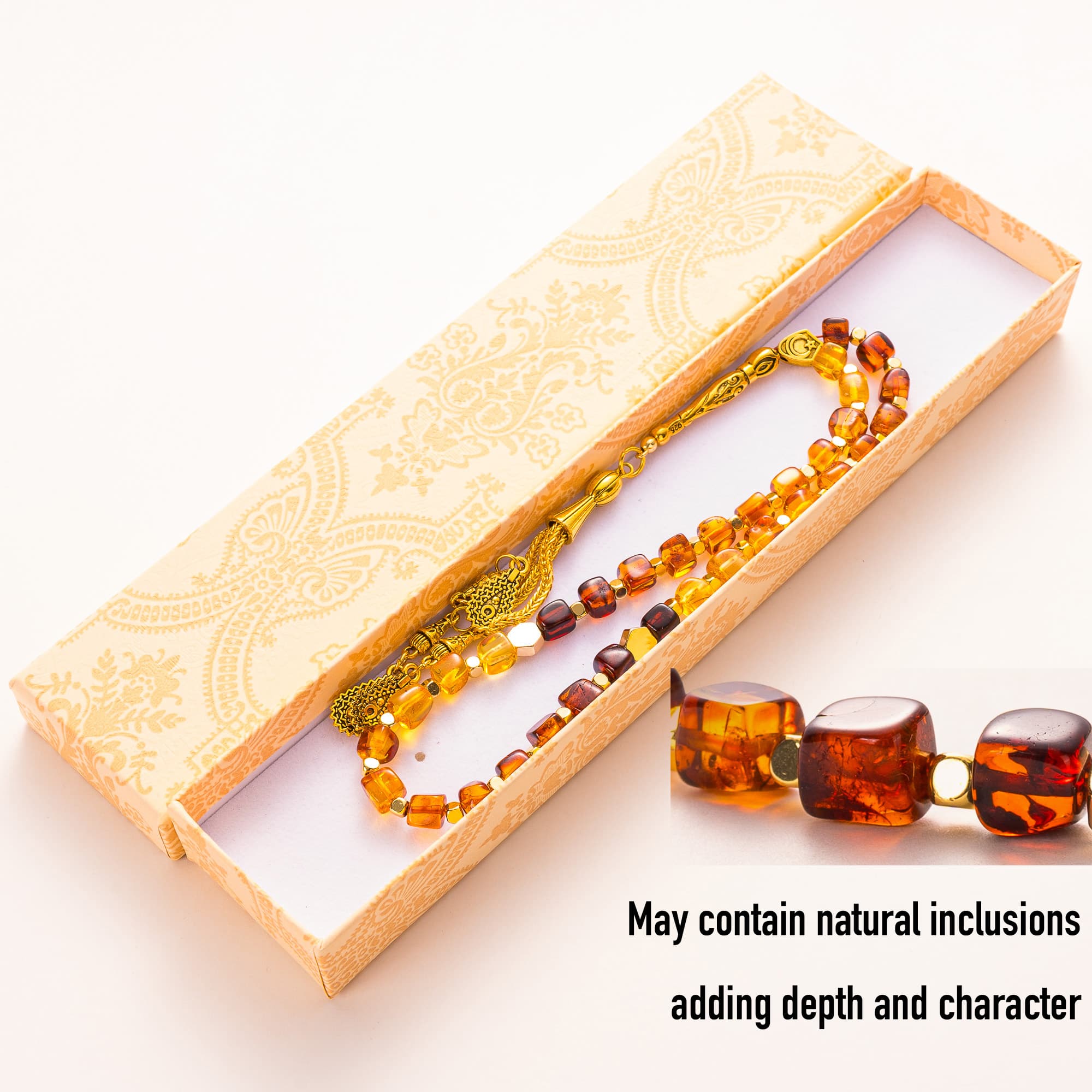
Amber Cube 33-Bead Tasbih — premium quality for wholesale.
MOQ 100 pcs
View details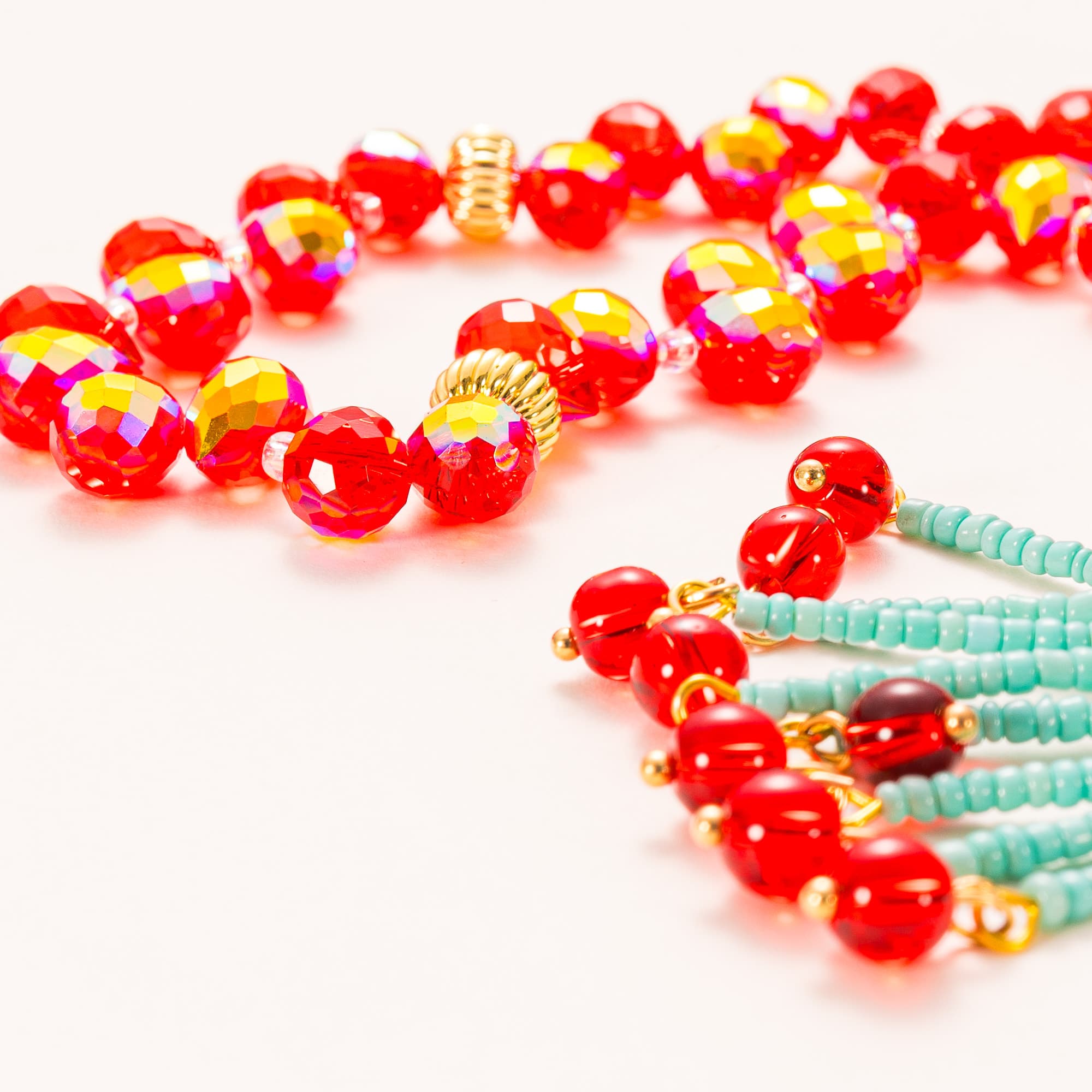
Red White Glass Tasbih — premium quality for wholesale.
MOQ 100 pcs
View details