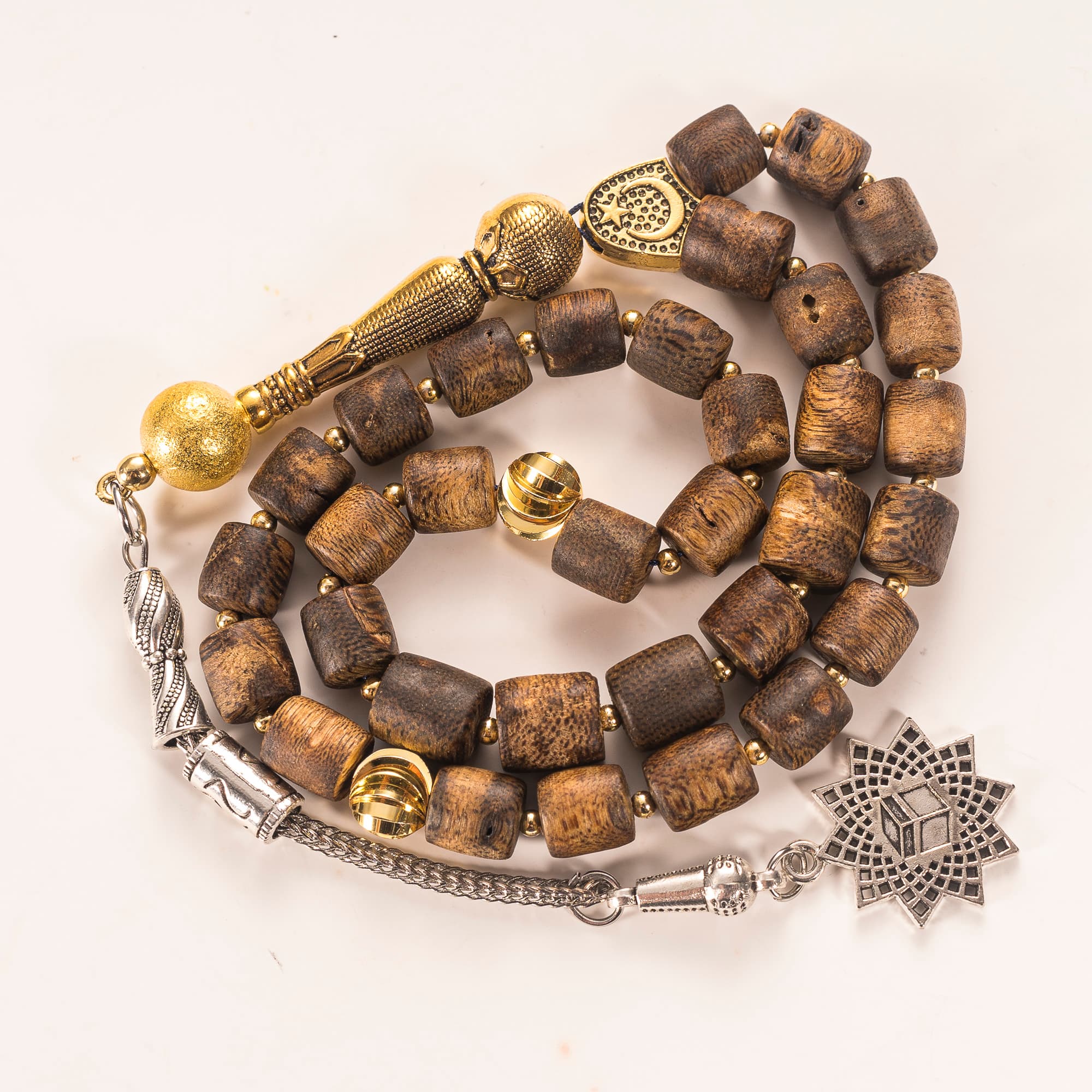
Natural Kuka Wood Tasbih
A 33-bead natural wood tasbih with a calm vintage tone and a presentation-ready gift box.
MOQ 100 pcs
View details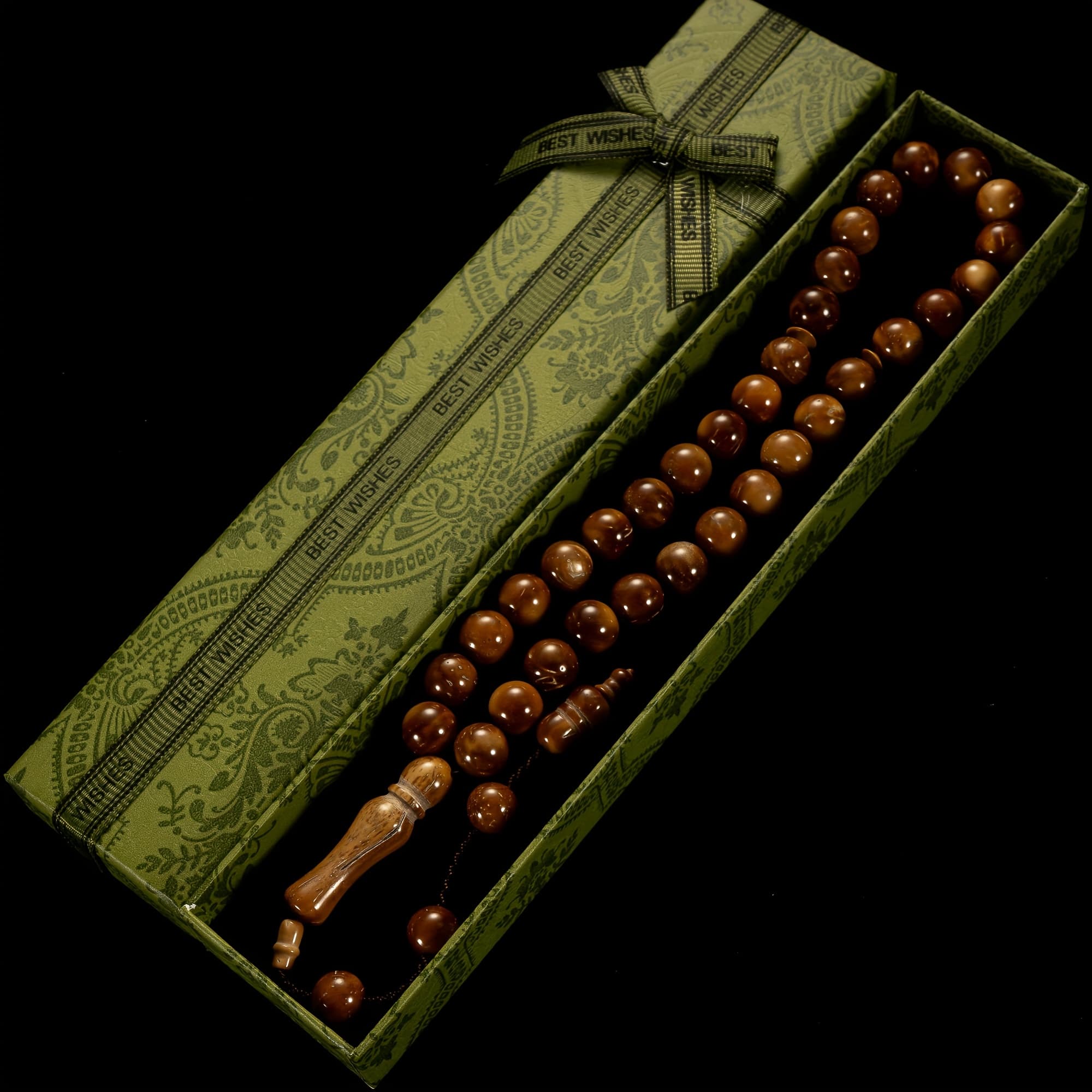
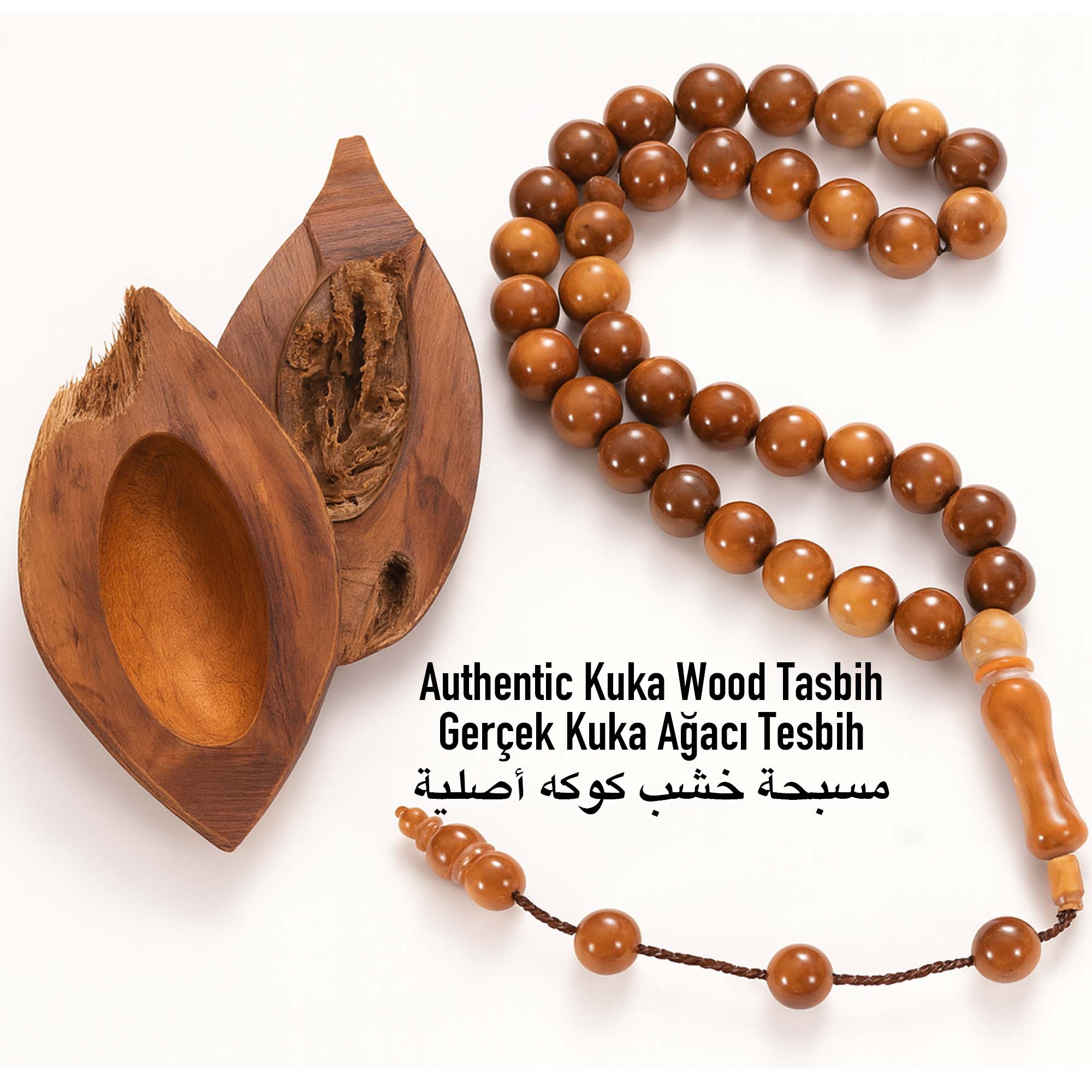
Kuka is a premium trade name in the tasbih market, but suppliers do not always use it consistently. Some products are natural kuka material, while others are dyed wood, compressed material, resin, or lookalike beads sold under the same label. For wholesale buyers, authenticity starts with a clear material declaration and a repeatable quality-control process, not a single quick test.
The first quality check is wording. Ask the supplier to state whether the beads are natural kuka material, kuka-style wood, dyed wood, compressed wood, or resin. The product label, invoice, sample card, and carton mark should use the same wording. If the supplier only says 'kuka color' or 'kuka style', do not list it as authentic kuka.
Good natural-material kuka tasbih usually shows gentle tone variation from bead to bead: warm beige, honey, light brown, or slightly darker handled areas. A batch where every bead is exactly the same color can still be acceptable if it is honestly sold as dyed or finished material, but it should not be presented as untouched natural kuka without proof.
Look closely at the drill hole and bead edges. Natural material usually shows internal texture and small irregularities around the hole. Resin or heavily coated composite beads can show a shell-like surface, a different color inside the hole, sharp edges, or a plastic shine. This is one of the fastest checks when you receive a new supplier sample.
Roll several beads in your hand. Natural material warms gradually, feels smooth but not glassy, and makes a softer clicking sound than glass or hard plastic. Resin can feel warmer immediately and lighter in an artificial way; glass feels colder and sharper. These checks are not proof by themselves, but they help you decide whether a sample deserves deeper testing.
Finished tasbih should not be soaked or scratched. If you need a destructive check, ask for one spare bead from the same batch. A short water contact, light scrape inside the drill hole, or cut surface can reveal whether the bead is solid natural material, surface-dyed wood, coated composite, or resin. Dry any tested bead immediately and never return it to sellable stock.
For repeat purchasing, keep one approved kuka sample from every supplier and batch. Label it with supplier name, order date, bead size, finish, and price. When a new shipment arrives, compare color, weight, sound, drill-hole texture, and finish against your reference sample before releasing the batch to retail customers.
Be cautious when a supplier refuses sample testing, changes wording between quote and invoice, offers premium kuka at a price far below comparable natural-material tasbih, or ships a bulk batch that looks different from the approved sample. The safest buying process is sample first, written material declaration second, bulk order third.
Quick Answers
No. The word is used inconsistently in trade, so wholesale buyers should require a written material declaration and compare every shipment with an approved sample.
No. Water can affect cord, finish, color, or metal spacers. Ask for a spare bead from the same batch if you need a destructive or wet test.
A repeatable QC process: sample approval, clear invoice wording, reference samples, and batch comparison for color, drill-hole texture, finish, and weight.
Source authentic kuka wood tasbih from TranquilBeads. MOQ 100, samples available.
Products From This Guide
A 33-bead natural wood tasbih with a calm vintage tone and a presentation-ready gift box.
MOQ 100 pcs
View details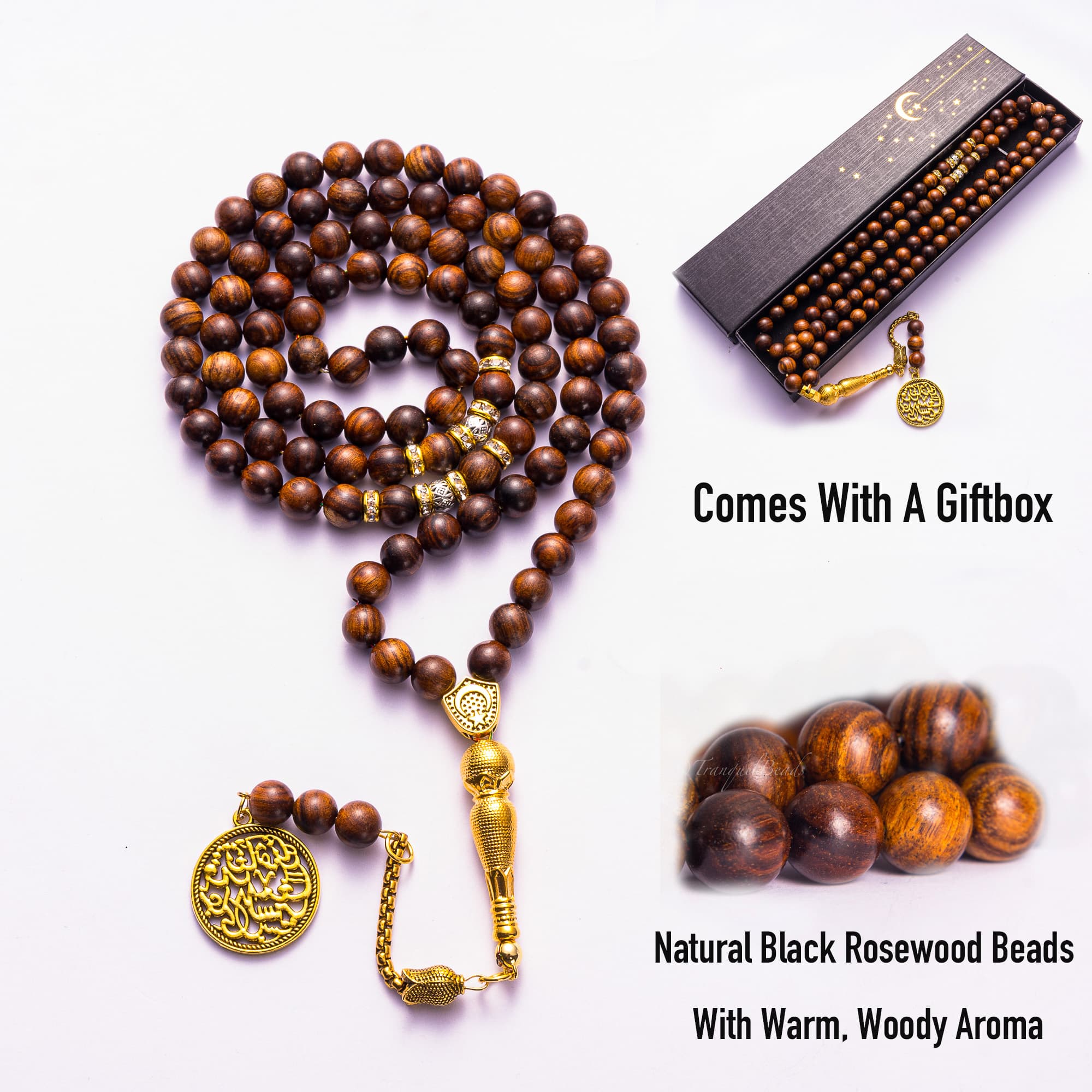
99-Bead Black Rosewood Tasbih — premium quality for wholesale.
MOQ 100 pcs
View details